
Table of Contents (12 sections)
Introduction to Spaying and Neutering
Spaying and neutering are common veterinary procedures aimed at sterilizing pets. Spaying refers to the removal of a female animal's ovaries and uterus, while neutering involves the removal of a male’s testicles. These procedures not only help control the pet population but also offer numerous health and behavioral benefits. According to the American Society for the Prevention of Cruelty to Animals (ASPCA), millions of unwanted pets end up in shelters every year. By opting for these procedures, pet owners contribute to a healthier community.
Health Benefits of Spaying and Neutering
Spaying and neutering can significantly improve your pet's health. Spayed females have a reduced risk of uterine infections and certain types of cancer. Neutered males are less likely to develop testicular cancer. According to the American Veterinary Medical Association (AVMA), these surgeries can also curb several behavioral problems, such as marking and aggression. This ultimately leads to a longer, healthier life for your furry friend.

The Effective Measurement and Management of It Costs and Benefits (Computer Weekly Professional Series)
Ammareal FR


Behavioral Improvements
Beyond health benefits, spaying and neutering can result in a more manageable pet. Unspayed females often go into heat, displaying anxious and sometimes aggressive behavior. Neutered males tend to be less territorial and aggressive. Diminished instinctual behaviors result in a calmer pet, as reported by PetMD.
The Process: What to Expect
Preparing for the Surgery
Before the procedure, consult your veterinarian to ensure your pet is healthy enough for surgery. Your vet will perform a thorough examination, including blood tests, to assess your pet’s overall health.
The Surgical Procedure
The surgery typically takes less than an hour for each pet, and recovery commences almost immediately post-operation. Your vet will provide guidelines for post-operative care, including changes in diet and restrictions on activity.
Comparative Analysis: Spayed and Neutered vs. Unaltered Pets
| Aspect | Spayed/Neutered Pets | Unspayed/Unneutered Pets |
|---|---|---|
| Health Risks | Lower risk of cancer, infections | Increased risk |
| Behavior | Calmer and less aggressive | Potential aggression |
| Population Control | Contributes positively | Does not control |
Data-Driven Insights and Statistics
Statistics indicate that communities with high rates of spaying/neutering have lower shelter admissions. PetSmart Charities reported a 30% drop in shelter intakes in areas with substantial spay/neuter programs. This reinforces the positive impact of such program on pet overpopulation.



A Perfect Mess: The Hidden Benefits of Disorder--How Crammed Closets, Cluttered Offices, and On-the-Fly Planning Make the World a Better Pla - Erc
Ammareal FR
Frequently Asked Questions
- What is the best age to spay/neuter my pet?
While it varies by breed, generally around 6 to 8 months is optimal.
- Will spaying/neutering change my pet’s personality?
It may reduce aggressive tendencies but the fundamental personality should remain unchanged.
- Is the procedure painful for my pet?
The procedure is performed under anesthesia, minimizing pain. Post-operative discomfort is managed with medication.
- How long is the recovery process?
Recovery typically lasts 10-14 days, during which activity should be limited.
📺 For more information:
Watch a comprehensive video on the procedure and its benefits. Search YouTube for: "spaying and neutering benefits explained"
Glossary
| Terme | Définition |
|---|---|
| Spaying | Surgical removal of female reproductive organs |
| Neutering | Surgical removal of male reproductive organs |
| Sterilization | General term for surgical procedures to prevent reproduction |
Checklist Before the Procedure
- [ ] Consult with your vet for a pre-surgery exam
- [ ] Confirm the surgery date and prepare necessary paperwork
- [ ] Follow pre-operative feeding instructions
- [ ] Arrange for post-surgery care and transport
- [ ] Purchase any recommended post-operative medications
💡 Avis d'expert : "Spaying and neutering pets is a transformative procedure that not only extends their life expectancy but also improves overall quality of life. Reduced aggression and health risks mean a happier pet and a happier household."
🧠 Quiz rapide : What is one behavioral benefit of neutering a male pet?
- A) Increased aggression
- B) Reduced marking tendency
- C) Increased fertility
Réponse : B — Neutered male pets often show reduced marking tendencies.
Recommended products
Selected by our experts
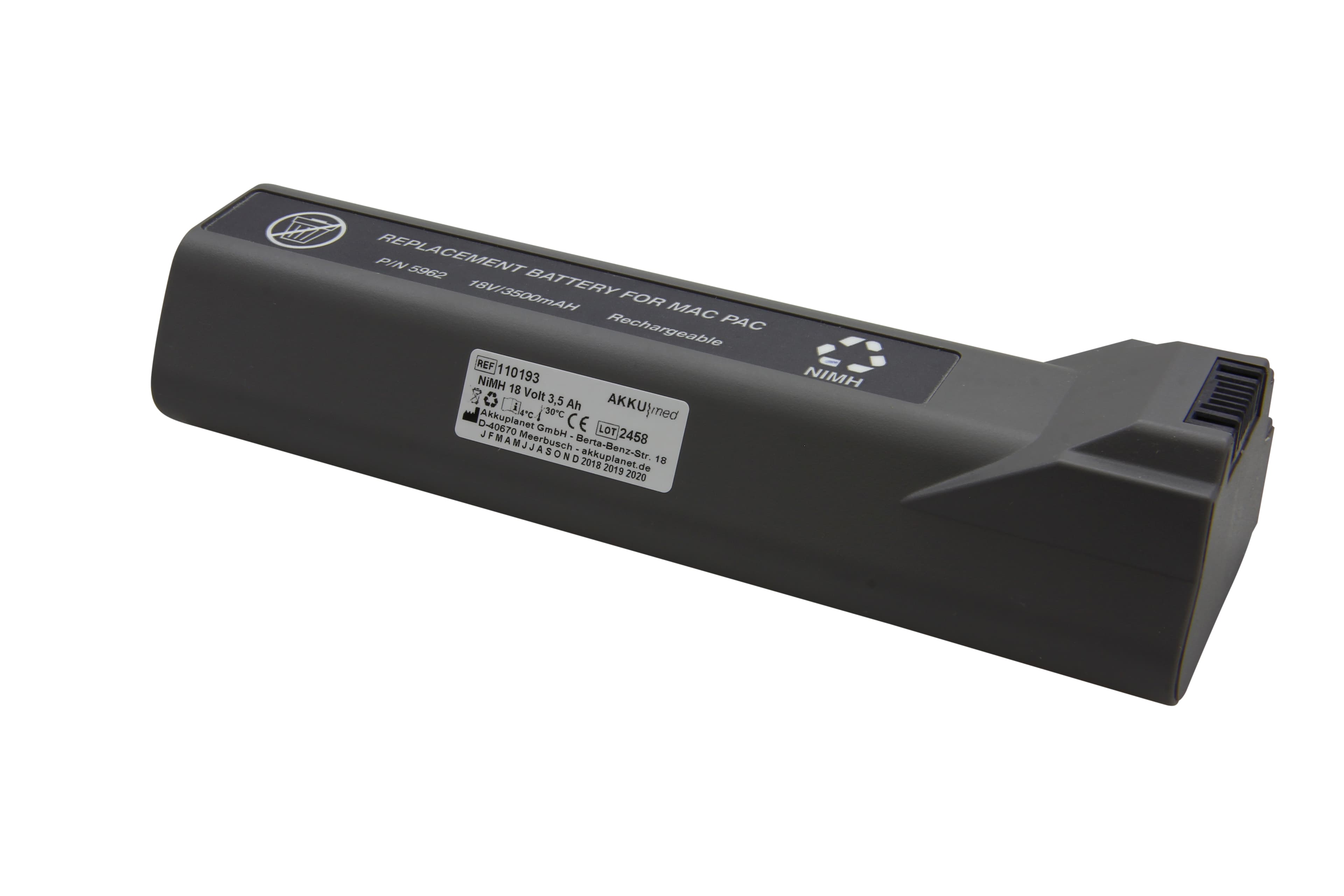
Batterie NiMH adaptable sur GE Hellige Marquette MAC3500, MAC5000ST, MAC5500 - type 900770-001
Batterie Mobile

Using Social Benefits To Combat Poverty And Social Exclusion - Council of Europe Susan Kuivalainen Matti Heikkila
Ammareal FR

Friends without benefits: Roman (Knitting in the City, Band 2) - Penny Reid
Ammareal FR

Moniteur d'origine Dash 3000, 4000, 5000 de GE Marquette de batterie de Li Ion GE - Type 2017857-002
Batterie Mobile
Batterie pour technique médicale en remplacement de GE 1503-3045-000, B11102, 5899 - 2300mAh, 12V, Sealed Lead Acid
Batterie Mobile