Table of Contents (15 sections)
Interactive playtime is essential for your pet's mental and physical well-being. It fosters a strong bond between you and your furry friend while promoting exercise and mental stimulation. Here’s a guide on how to effectively create and implement interactive playtime activities that ensure your pet enjoys every moment.
Understanding Your Pet's Needs
What Is Interactive Play?
Interactive play involves engaging with your pet actively, rather than passively observing or just letting them play alone. This type of play is crucial for a pet's happiness and health as it can combat loneliness, anxiety, and boredom.
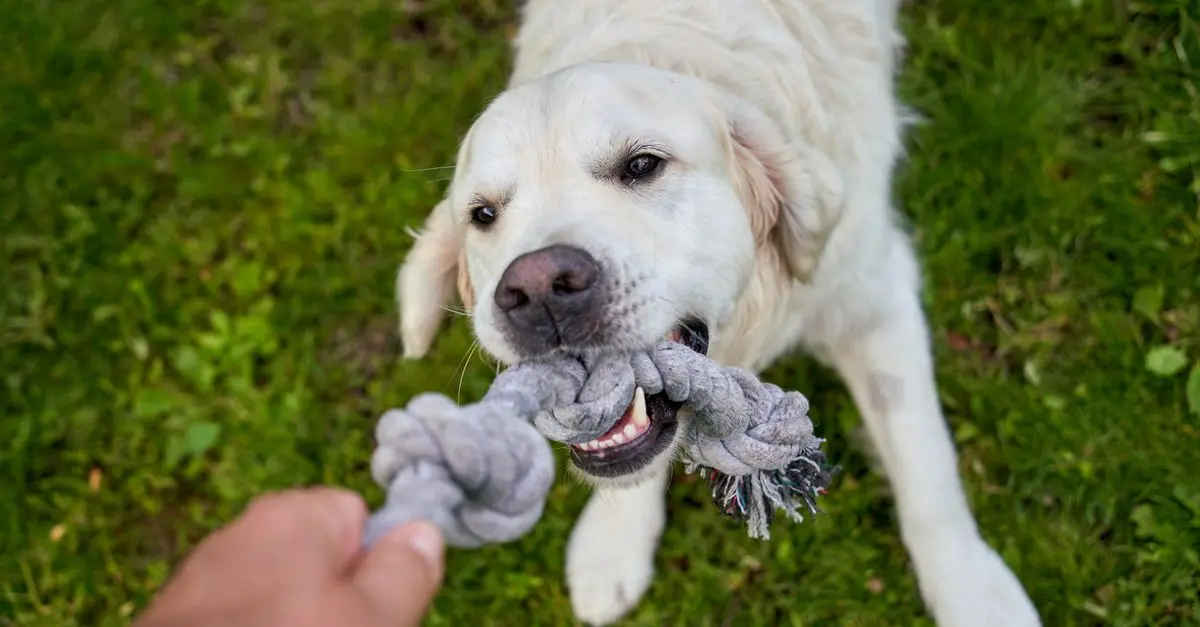
According to a 2025 study by the American Veterinary Medical Association (AVMA), pets that engage in regular interactive playtime exhibit fewer behavioral issues and have lower stress levels. This interactive engagement can take various forms, including tug-of-war, fetch, or even agility training, each intentional to stimulate and challenge the animal’s mental faculties while meeting their physical activity requirements.
The Importance of Playtime
The significance of playtime cannot be overstated. Animals, much like humans, require stimulation to thrive. Engaging your pet in play can:
- Enhance their mood and promote happiness.
- Aid in maintaining a healthy weight through exercise.
- Encourage socialization skills through group play or interactions with their owners.
In fact, the ASPCA emphasizes that regular playtime contributes significantly to a pet's overall quality of life, helping them channel their instincts, such as chewing or hunting, in fulfilling ways.
Steps to Creating Interactive Playtime
Step 1: Choose the Right Environment
Creating the right atmosphere for play is crucial. Ensure you have a safe, open space where your pet can move freely without hazards such as sharp objects or breakable items. Use non-toxic toys and arrange your space to accommodate vigorous activities. A dedicated playroom can be ideal, but a spacious backyard or park will do just fine.
Step 2: Select Engaging Toys
Select toys that promote interaction. These could range from interactive toys that require your pet to solve puzzles to simple items like balls or ropes that encourage tugging and fetching. The goal is to keep your pet engaged, encouraging exploratory behaviors while munching on chew toys can satisfy their urge to chew while keeping them engaged with you.
It's advisable to rotate toys every few weeks to keep your pet's interest alive. Introducing new tasks with familiar toys can spice things up and maintain engagement levels. Some recommended products can be found below to enhance your playtime experience.
Step 3: Schedule Regular Play Sessions
Consistency is key. Incorporate playtime into your daily schedule. Aim for at least 30 minutes to an hour daily, divided into two or three sessions if your pet prefers shorter bursts of activities. Regular play not only improves their physical fitness but also their mood. Utilize different activities each time to keep the sessions fresh and exciting. For instance, you might go for a walk one day, then set up a mini agility track in your yard the next.
Step 4: Encourage Socialization
If your pet enjoys being around other animals, consider organizing play dates with friends or neighbors who have pets. This introduces them to new stimuli and promotes social skills. Supervised group play can also be an excellent way for your pet to let off steam with other friendly companions.
Always observe their interactions to ensure they are safe and enjoyable, stepping in when necessary to guide positive behavior. Remember, socialized pets tend to be happier and less anxious than those who lack opportunities for social interaction.
Step 5: Implement Training Games
Engage your pet in training sessions that incorporate play. Use commands that they already know, turning them into game-like scenarios. For instance, practice ‘sit’ and ‘stay’ through fetch and reward them with treats followed by play as a reward for compliance. This enhances their focus while strengthening your bond. Consider clicker training as well; it can transform any training session into a playful and rewarding experience.
Step 6: Monitor Their Happiness
During playtime, pay attention to your pet’s body language. Signs of happiness include a wagging tail, relaxed posture, and engagement with you or the activity. If your pet seems disinterested or stressed, evaluate the situation. They may need a different type of play or simply more breaks between activities. Keep play sessions positive to encourage participation during future activities.

Miles Kimball Personalized Happiness is Homemade Glass Cutting Board
mileskimball.com


Lab Series Skincare for Men Daily Rescue Life of the Party 3-Pc Skincare Set
labseries.com
Checklist for Interactive Playtime
- [ ] Prepare a safe play environment.
- [ ] Choose engaging interactive toys.
- [ ] Schedule regular play sessions.
- [ ] Encourage socialization with other pets.
- [ ] Incorporate training into play.
- [ ] Monitor your pet’s happiness and adjust accordingly.
📺 Resource Video
> 📺 For more tips on engaging pet playtime, check out videos on YouTube. Search for: "interactive playtime ideas for pets".
Glossary
| Terme | Définition |
|---|---|
| Interactive Play | Engaging with your pet through games and activities to enhance their mental and physical well-being. |
| Agility Training | A sport in which pets navigate obstacle courses under their owner's command, enhancing their physical capabilities. |
| Socialization | The process through which pets learn to interact positively with other animals and people, crucial for their behavioral development. |
---
📺 Pour aller plus loin : interactive playtime ideas for pets sur YouTube
Recommended products
Selected by our experts

Boys 8-20 PAW Patrol Broom Hair Don't Care Tee, Boy's, - Black - Size: X Large
kohls.com
Boys 8-20 PAW Patrol Broom Hair Don't Care Tee, Boy's, - Black - Size: Large
kohls.com

Disney s The Little Mermaid Girls 7-16 Hair Don't Care Graphic Tee, Girl's, - White - Size: X Large
kohls.com