Table of Contents (10 sections)
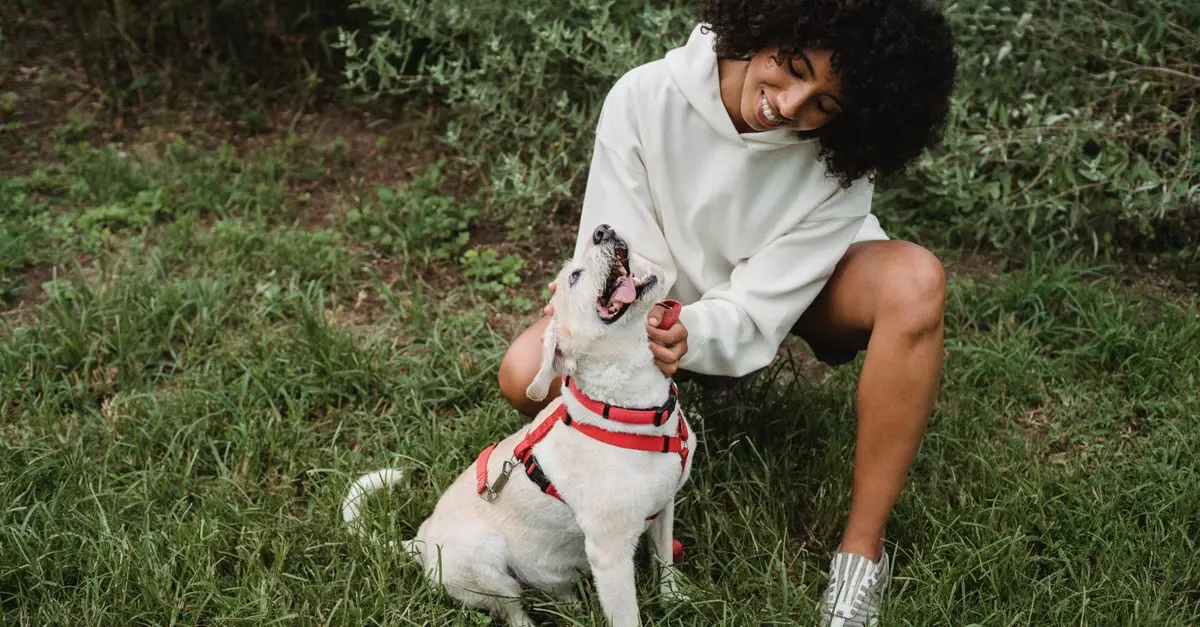
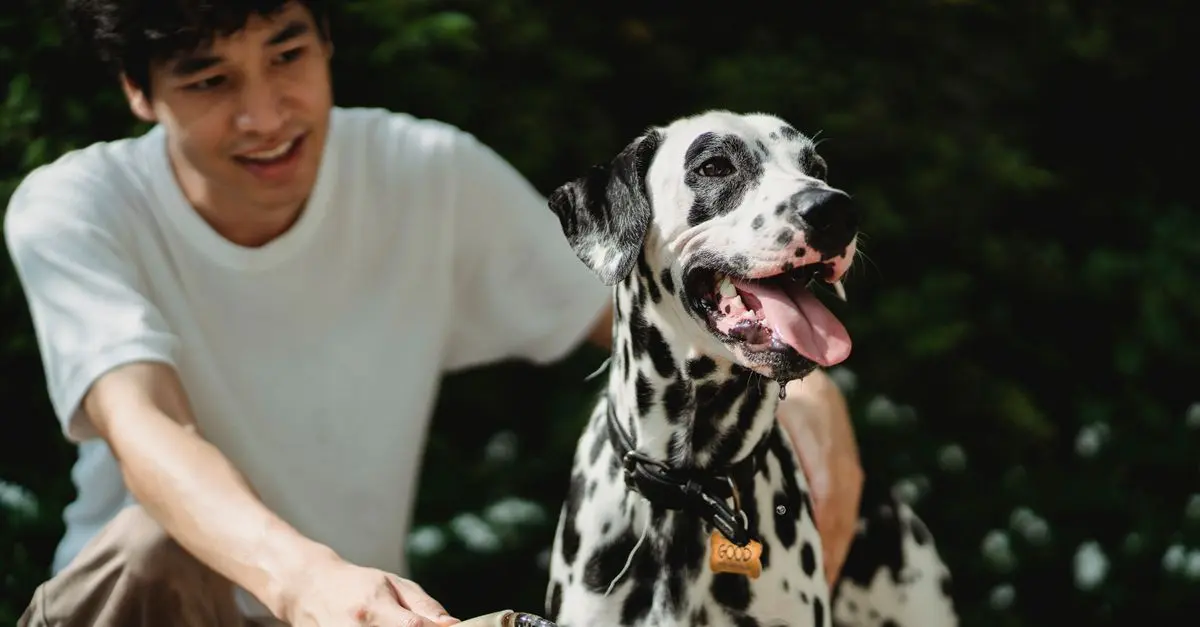
Positive reinforcement is a fundamental principle in pet care that not only enhances the bond between pets and their owners but also significantly contributes to overall pet happiness. By using rewards to reinforce desirable behaviors, pet owners can create a positive environment conducive to learning and emotional well-being.
Why is Positive Reinforcement Key to Pet Happiness?
Positive reinforcement involves providing a reward after a desired behavior is exhibited, making it more likely that the behavior will be repeated in the future. This approach taps into the natural learning instincts of animals. For instance, when a dog is praised or given a treat for sitting on command, it begins to associate obedience with positive outcomes, reinforcing the likelihood of that behavior in the future.
Studies show that pets trained through positive reinforcement exhibit fewer behavioral issues and show greater satisfaction in their interactions with humans. According to behavioral experts in animal psychology, positive reinforcement strengthens the human-animal bond and reduces stress in both pets and owners. Dr. John Woosley, a veterinary behaviorist, notes that “a happy pet is often a well-behaved pet.” Therefore, implementing this method can lead to a harmonious household.
Additionally, pets that receive consistent positive reinforcement are generally less anxious and more confident. This is especially important for rescue animals or those with a difficult past; positive reinforcement helps them build trust and security in their new environment. It’s also important to note that the effectiveness of positive reinforcement relies heavily on timing and consistency, ensuring that the reward immediately follows the desired behavior.
Steps to Implement Positive Reinforcement in Your Pet Care Routine
To effectively incorporate positive reinforcement into your pet care routine, follow these steps:
- Identify the Desired Behavior: Understand what behaviors you want to reinforce. It could be anything from using the litter box, sitting, coming when called, or even stopping unwanted behavior such as barking.
- Choose an Appropriate Reward: Select rewards that your pet values highly, such as treats, toys, affection, or playtime. The effectiveness of positive reinforcement relies significantly on the desirability of the reward to the pet.
- Use Timing to Your Advantage: Timing is crucial in positive reinforcement. Immediate rewards increase the effectiveness of the training. If your pet performs the desired behavior, reward them right away so they can associate the action with the positive outcome.
- Be Consistent: Consistency is key for reinforcement. Make sure all family members use the same commands and reward systems to avoid confusing your pet.
- Gradually Increase Challenges: Begin with basic commands and gradually increase the difficulty as your pet becomes more accustomed to training. For instance, start with simple commands in a quiet environment before introducing distractions.
By following these steps, you can create a positive learning atmosphere that not only improves your pet's behavior but also enhances their happiness and overall well-being.
Comparing Positive Reinforcement to Other Training Methods
| Training Method | Positive Reinforcement | Clicker Training | Negative Reinforcement | Punishment |
|---|---|---|---|---|
| Relationship with Pet | Stronger bond and trust | Great for precise training | Can damage the bond | May create fear |
| Behavioral Results | Positive behavior increase | Clear communication | Decrease in unwanted behaviors | Inconsistent results |
| Stress Level in Pet | Low stress | Low stress | High stress | High stress |
| Recommended for | All pets | Dogs and cats | Conflict-prone pets | Not recommended |
The Impact of Positive Reinforcement on Long-term Pet Health
Positive reinforcement not only affects behavior but can also have long-term health implications for pets. Pets trained with positive reinforcement are less likely to experience stress-related health issues, such as obesity and anxiety disorders. According to studies conducted by the American Veterinary Medical Association, a stress-free pet is more likely to maintain a healthy weight and exhibit fewer health problems over their lifetime.
Moreover, a positive training environment encourages physical activity, which is vital for a pet's overall health. Engaging in fun and rewarding tasks keeps pets active, which can lead to a longer and healthier life. For example, games that incorporate positive reinforcement, like fetch, can help dogs get the necessary exercise while strengthening their bond with their owner. This highlights that an investment of time and effort in positive reinforcement can yield substantial returns in terms of both health and happiness.
Expert Insight on Positive Reinforcement
> 💡 Expert Opinion: Dr. Emily Carter, a noted animal behaviorist, states, "Using positive reinforcement not only helps in training but also enriches the pet's living experience. Pets who engage in positively reinforced behavior tend to have better mental and emotional health, leading to a more fulfilling life and a deeper connection with their humans."
FAQ about Positive Reinforcement and Pet Happiness
Q1: How can I tell if my pet is happy?
A: Signs of a happy pet include a wagging tail, playful behavior, relaxed body posture, and a healthy appetite. Pay attention to their overall disposition and interactions with you.
Q2: Is positive reinforcement suitable for all pets?
A: Yes, positive reinforcement can be effectively used with a variety of pets, including dogs, cats, birds, and even small mammals like rabbits.
Q3: What types of rewards should I use for training?
A: Rewards can vary widely; consider high-value treats, toys, verbal praise, or playtime to motivate your pet. Each animal will have different preferences.
Q4: Can negative reinforcement have any benefits?
A: While some argue that it can suppress undesirable behaviors, it may create anxiety and fear. Positive reinforcement is generally more effective and nurturing.
Glossary
| Term | Definition |
|---|---|
| Positive Reinforcement | A training method that rewards desirable behaviors to increase their occurrence. |
| Behavioral Issues | Problems in the way an animal behaves, often stemming from anxiety, lack of exercise, or inadequate training. |
| Human-Animal Bond | The emotional connection between a pet and its owner, influenced by interactions and training methods. |
Checklist before implementing positive reinforcement
- [ ] Identify specific behaviors to reinforce
- [ ] Choose effective rewards for your pet
- [ ] Ensure timing of rewards is immediate
- [ ] Maintain consistency across family members
- [ ] Gradually increase the complexity of training commands

Miles Kimball Personalized Happiness is Homemade Glass Cutting Board
mileskimball.com
Boys 8-20 PAW Patrol Broom Hair Don't Care Tee, Boy's, - Black - Size: X Large
kohls.com
📺 For further exploration: Positive Reinforcement Training for Pets, a comprehensive guide to enhancing your training approach. Search on YouTube: "positive reinforcement pet training 2026".
📺 Pour aller plus loin : positive reinforcement pet training 2026 sur YouTube
Recommended products
Selected by our experts